Unlocking Speed and Value: Affordable 10Gbps Dedicated Hosting for Modern Businesses

In the digital age, website speed and reliability are paramount for businesses aiming to stay competitive. Affordable 10Gbps dedicated hosting has emerged as a game-changer for companies looking to boost their online presence without breaking the bank. This hosting solution combines lightning-fast connectivity with dedicated server resources, ensuring optimal performance for demanding applications and high-traffic websites. In this article, we will explore the benefits, features, and considerations of affordable 10Gbps dedicated hosting, helping businesses make informed decisions about their web infrastructure.

Benefits to Offshore Web Hosting - Do you have a Website? Read This!

Affordable 10Gbps dedicated hosting offers unmatched bandwidth capabilities that significantly enhance data transfer speeds. Traditional hosting plans often struggle to handle large volumes of traffic, leading to slow loading times and frustrated users. With a 10Gbps connection, businesses can enjoy rapid data throughput that supports seamless streaming, quick downloads, and smooth user experiences. This kind of performance is essential for industries such as media streaming, gaming, e-commerce, and cloud services, where speed directly impacts customer satisfaction and retention.

One of the primary advantages of affordable 10Gbps dedicated hosting is the exclusivity of resources. Unlike shared hosting or virtual private servers, dedicated hosting provides a physical server exclusively for one client. This means no resource contention, resulting in consistent and reliable server performance. Companies with mission-critical applications or websites requiring high uptime can rely on this hosting option to avoid disruptions and maintain operational continuity. The affordability factor makes this high-end solution accessible to small and medium-sized businesses as well, democratizing advanced hosting technology.

Security is another crucial aspect addressed by affordable 10Gbps dedicated hosting. Dedicated servers inherently offer enhanced security since the hardware is not shared with other users, reducing the risk of cross-site vulnerabilities and data breaches. Additionally, many providers include robust security measures such as DDoS protection, firewalls, and regular monitoring to safeguard sensitive information. For businesses handling confidential customer data or complying with regulatory standards, affordable 10Gbps dedicated hosting provides peace of mind along with superior performance.

Scalability is a key consideration when choosing affordable 10Gbps dedicated hosting. As a business grows, its hosting needs evolve, often requiring more bandwidth, storage, or processing power. Dedicated hosting plans typically allow easy upgrades and customization, enabling companies to scale their infrastructure without migrating to new servers. This flexibility ensures that businesses can adapt to changing demands while controlling costs, making affordable 10Gbps dedicated hosting a future-proof investment for dynamic enterprises.

Cost-effectiveness is often questioned when it comes to high-speed dedicated hosting solutions. However, affordable 10Gbps dedicated hosting challenges this notion by offering competitive pricing models tailored to various budgets. Providers have optimized their infrastructure and operational efficiencies to deliver these services at prices accessible to startups and growing companies. By choosing affordable 10Gbps dedicated hosting, businesses gain access to premium features without the premium price tag, maximizing their return on investment.

The technical support provided with affordable 10Gbps dedicated hosting is another vital factor. Managing a dedicated server requires expertise in server administration, security, and maintenance. Reputable hosting companies offer 24/7 customer support, ensuring that technical issues are swiftly resolved to minimize downtime. This support can include setup assistance, monitoring, troubleshooting, and performance tuning, making it easier for businesses to harness the full potential of their dedicated hosting environment.

Choosing the right provider for affordable 10Gbps dedicated hosting involves evaluating several factors beyond speed and price. Reliability, data center locations, uptime guarantees, hardware specifications, and contract terms are all important considerations. Businesses should look for providers with a proven track record and transparent service level agreements. Additionally, some companies offer managed dedicated hosting, where the provider handles routine maintenance and updates, allowing businesses to focus on core activities without worrying about server management.

In summary, affordable 10Gbps dedicated hosting represents a powerful solution for businesses seeking high-speed, reliable, and secure web hosting. This option ensures that websites and applications perform optimally under heavy traffic, improving user experience and operational efficiency. Its combination of dedicated resources, enhanced security, scalability, and cost-effectiveness makes it an attractive choice for a wide range of industries. By investing in affordable 10Gbps dedicated hosting, companies position themselves to meet current demands and future growth with confidence.

If your business is ready to upgrade its hosting infrastructure, exploring affordable 10Gbps dedicated hosting options can lead to substantial benefits. Enhanced speed, exclusive server resources, and robust security measures are just the beginning. With the right provider, you can enjoy expert support and scalability tailored to your needs, all while keeping costs manageable. In an increasingly digital world, affordable 10Gbps dedicated hosting is not just a luxury but a necessity for those who want to stay ahead of the competition.
Featured post

Published
Categorized as Uncategorized

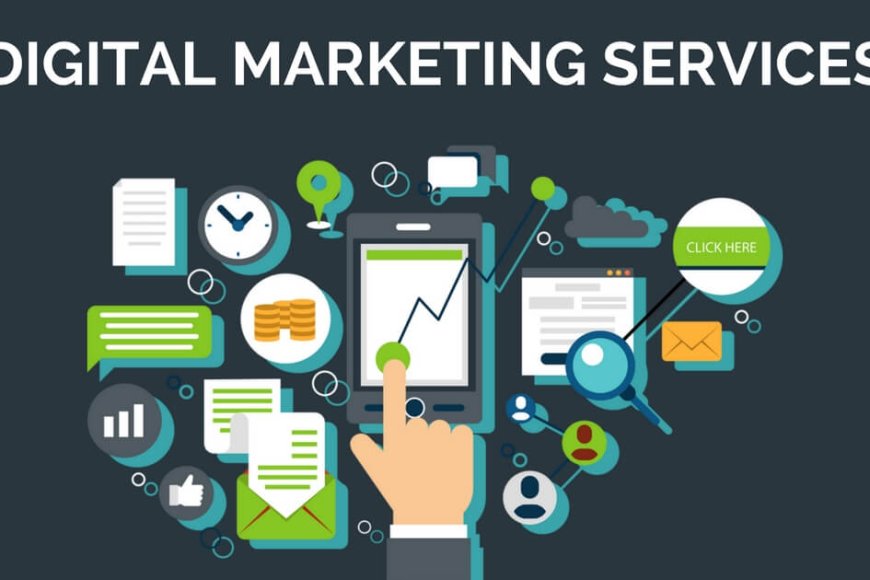
Maximizing Business Growth with Comprehensive Services in Digital Marketing

In today’s rapidly evolving digital landscape, businesses must adapt and innovate to stay competitive. One of the most effective ways to achieve this is through leveraging the wide array of services in digital marketing. These services provide companies with tools and strategies to reach target audiences, increase visibility, and drive measurable results across various online platforms.

The Impact of Digital Marketing Services on Business Growth - SKILLFLOOR

Services in digital marketing encompass a broad spectrum of tactics designed to promote brands in the online world. From search engine optimization (SEO) and pay-per-click (PPC) advertising to social media management and content marketing, businesses have access to customized strategies tailored to their unique needs. Whether it’s a startup looking to build brand awareness or an established company aiming to improve conversions, services in digital marketing offer scalable solutions that align with specific goals.

One of the most essential services in digital marketing is SEO, which focuses on enhancing a website’s visibility on search engines like Google. SEO involves keyword research, on-page optimization, technical audits, and link-building campaigns to ensure websites rank higher in search results. This not only increases organic traffic but also builds credibility and trust among potential customers. Without effective SEO, other services in digital marketing may struggle to produce long-term results.

In addition to SEO, pay-per-click advertising plays a crucial role in a robust digital strategy. As one of the fastest ways to drive traffic, PPC allows businesses to appear at the top of search engine results for targeted keywords. These ads generate immediate visibility and can be precisely controlled in terms of budget, location, and audience demographics. Utilizing PPC as part of the broader services in digital marketing helps businesses achieve quick wins while working on long-term growth tactics.

Another indispensable component of services in digital marketing is social media marketing. Platforms such as Facebook, Instagram, LinkedIn, and TikTok provide unique opportunities for brands to engage directly with their audiences. Social media services include strategy development, content creation, community management, and paid social campaigns. These services in digital marketing help businesses foster brand loyalty, increase customer engagement, and drive website traffic through social sharing.

Email marketing also stands out as one of the most cost-effective services in digital marketing. By sending personalized, targeted messages to a subscriber list, businesses can nurture leads, retain customers, and promote new products or services. Automation tools make it easier to segment audiences and track campaign performance, ensuring that each email contributes to the overall marketing goals. When integrated properly, email campaigns can amplify the impact of other services in digital marketing.

Content marketing is another core aspect of services in digital marketing, focused on delivering valuable, relevant content to attract and retain a clearly defined audience. This includes blog posts, videos, infographics, podcasts, and eBooks. High-quality content not only improves SEO rankings but also establishes a brand as an authority in its industry. Incorporating storytelling and educational elements into content marketing enhances the effectiveness of other services in digital marketing by creating deeper connections with potential customers.

Analytics and data tracking are critical in evaluating the performance of services in digital marketing. Tools like Google Analytics, Facebook Insights, and CRM platforms help businesses monitor key metrics such as traffic sources, conversion rates, bounce rates, and return on investment (ROI). These insights allow marketers to adjust strategies in real time, ensuring that all services in digital marketing are aligned with business objectives and delivering tangible results.

Another growing area within services in digital marketing is influencer marketing. By partnering with individuals who have large and engaged followings, brands can tap into established trust networks to promote their offerings. Influencer collaborations can be especially effective on platforms like Instagram, YouTube, and TikTok. These partnerships complement traditional services in digital marketing by adding a layer of authenticity and social proof to campaigns.

Video marketing has also emerged as a powerful tool within services in digital marketing. Videos can explain products, demonstrate features, or tell compelling brand stories in a format that is easy to consume and widely shareable. From short-form content for social media to in-depth product tutorials for YouTube, video content significantly boosts engagement and can improve conversion rates. Integrating video into services in digital marketing enhances visibility and makes messages more memorable.

Finally, website design and development are foundational to the success of any online campaign. A well-designed website not only looks professional but also provides a seamless user experience that encourages conversions. Services in digital marketing often include website optimization for mobile devices, fast loading speeds, clear calls to action, and SEO-friendly architecture. These features ensure that all traffic driven by other digital services results in meaningful user interactions.

In conclusion, services in digital marketing offer an extensive toolkit for businesses aiming to grow in a digital-first world. Whether through SEO, social media, content creation, or analytics, each component plays a vital role in achieving marketing success. By choosing the right mix of services in digital marketing and working with experienced professionals, businesses can unlock new levels of growth, customer engagement, and long-term success.

Featured post

Published
Categorized as Uncategorized

Water Damage Restoration Services in Toms River, NJ: Protecting Your Home and Business from the Devastating Effects of Water

Water damage is one of the most common and costly problems homeowners and businesses face, and it can strike at any time. Whether due to a broken pipe, heavy rainfall, flooding, or a leaking roof, the impact of water damage can be extensive, affecting everything from structural integrity to personal belongings. In Toms River, NJ, residents and business owners turn to professional Water Damage Restoration in Services Toms River NJ to help mitigate and restore their properties to their pre-damaged condition. With experienced teams and state-of-the-art equipment, these services can ensure that your property is not only dried out but also sanitized and secured for the future.

Water damage restoration in Toms River, NJ, requires a swift and effective response to prevent further destruction. The longer water sits in a home or building, the more damage it can cause. From warped floors and stained walls to mold growth and electrical hazards, water can have a devastating impact. Local water damage restoration professionals are equipped to handle the complexities of water extraction, drying, and repairing damaged structures. These experts understand the local climate and environmental conditions, ensuring they use the best methods and equipment tailored to Toms River’s specific needs.

When you experience water damage in Toms River, NJ, the first priority is often to get water out of the space. Professional water damage restoration services begin with the removal of standing water, using powerful pumps and vacuums to extract moisture quickly. This step is crucial in preventing further damage to the structure of your property. Once the water is removed, drying the affected area thoroughly is essential. High-efficiency dehumidifiers and industrial-grade air movers are used to eliminate any lingering moisture, preventing mold growth and structural deterioration.

After the extraction and drying process, the next step in water damage restoration is to assess the affected areas for any damage to structural components. In Toms River, NJ, the restoration process can include replacing damaged drywall, flooring, insulation, and even repairing roofing or siding if necessary. Restoration services may also include odor removal and sanitization to ensure that your home or business is not only dry but safe from harmful bacteria or viruses that can be carried by contaminated water.

Another critical aspect of water damage restoration in Toms River, NJ, is the prevention of future damage. Water can infiltrate your home or building through various entry points, and if these issues are not addressed properly, you may face repeated water damage. Water damage restoration companies often offer services that include inspections of plumbing, roofing, and the foundation of your property to identify potential risks. By addressing these vulnerabilities, they help ensure that your property is protected from future water-related issues.

When choosing a water damage restoration service in Toms River, NJ, it’s important to select a company with a proven track record. Experienced technicians understand the urgency of water damage and are trained to respond promptly. Reputable restoration companies are licensed and insured, ensuring that they can manage the restoration process efficiently and safely. They work with your insurance company to make the claims process as smooth as possible, helping reduce your financial burden.

In Toms River, NJ, water damage can strike at any time, whether it’s due to a heavy storm or plumbing issues inside your home. The unpredictability of water damage makes it essential to have a trusted professional on hand to restore your property. By hiring a qualified water damage restoration company, you can rest assured that your home or business will be restored to its original condition. The benefits of professional restoration services go beyond just cleaning up; they also offer long-term protection by addressing the root causes of water damage and preventing future incidents.

One of the key advantages of working with a professional water damage restoration team in Toms River, NJ, is the speed at which they can mitigate damage. Water damage can quickly become a serious problem, and the sooner the issue is addressed, the less likely you are to experience lasting consequences. Restoration services can begin within hours of your initial call, providing immediate relief from the stress and worry that comes with water damage.

Beyond immediate action, water damage restoration services in Toms River, NJ, include thorough cleanup and restoration. From removing contaminated materials to ensuring all surfaces are sanitized, these professionals take the necessary steps to make your property safe again. Whether it’s a small leak or extensive flooding, the restoration process is designed to ensure that all traces of water damage are eliminated and that your property is fully restored.

In conclusion, water damage restoration in Toms River, NJ, is an essential service for protecting your property from the lasting effects of water infiltration. With prompt response times, advanced equipment, and experienced technicians, these services provide peace of mind during a stressful situation. By addressing both the immediate water removal needs and the long-term prevention of future water-related issues, professional restoration services help preserve the value and safety of your home or business. Whether you’re dealing with flooding, a burst pipe, or a roof leak, contacting a trusted water damage restoration company in Toms River is the first step toward full recovery.

Featured post

Published
Categorized as Uncategorized

Why Nicotine Salts are Topping the 2026 Sales Charts

The UK nicotine market in 2026 is defined by a singular product category: Nicotine Salts. While freebase nicotine was the standard for the first decade of vaping, the 2026 consumer has shifted decisively toward “salts.” This transition isn’t just about a trend; it’s a reflection of how the UK’s regulatory and economic landscape has forced the industry to innovate toward maximum efficiency.
The Economic Driver: Vaping Products Duty
The introduction of the Vaping Products Duty in October 2026 has made every milliliter of e-liquid more expensive. In this high-tax environment, consumers are naturally looking for ways to get the most “satisfaction” out of the smallest volume of liquid. Nicotine salts are the perfect solution. Because they are absorbed by the bloodstream almost instantly—mimicking the rapid delivery of a traditional cigarette—users find they need to take fewer puffs to satisfy their cravings compared to freebase liquids.
This has led to a massive surge in demand for high-quality Order Vape nic salts, which offer a smooth throat hit even at the legal 20mg/ml limit. By using a more efficient liquid in a low-power pod device, the consumer can effectively lower their daily “tax burden” while still achieving the same level of relief. This economic pragmatism is a primary reason why nicotine salts now account for over 70% of all liquid sales in the UK.
The Psychology of Habit Replacement
Behavioral scientists studying the UK’s “Smoke-Free 2030” goal have noted that nicotine salts are a superior tool for habit replacement. The “spike” and “crash” of nicotine levels provided by salts closely match the experience of smoking, which helps satisfy the psychological side of addiction. Furthermore, the 2026 market has perfected “Bar-Style” salts, which provide the intense flavor profiles that users became accustomed to during the era of disposables. These liquids provide a sensory-rich experience that makes the permanent switch to refillable systems feel like an upgrade rather than a compromise.

What Consistent Cleaning Means in a Madison Home

I’ve lived and worked in Madison for years, and as a homeowner who’s managed both busy family schedules and a short-term rental on the side, I’ve learned quickly how much reliable cleaning matters. The first time I seriously looked into Touch of Europe in Madison, it was after a stretch of juggling cleaners who were fine on paper but inconsistent once they were actually in the space.

Cleaning Services Hobart | Expert Cleaners- MyCleanRServices

My early mistakes were typical. I hired based on availability and price, assuming cleaning was mostly interchangeable. One service did a decent job on open surfaces but ignored buildup in corners and along trim. Another rotated crews so often that every visit felt like starting over. I remember one afternoon last spring, scrambling before guests arrived, re-wiping surfaces that were technically “clean” but still showed streaks when the sun hit the windows. That’s when I realized how much inconsistency creates stress you don’t see on an invoice.

In my experience, good cleaning shows up in habits, not promises. I noticed the difference the first time a cleaner paid attention to how our home is actually used—mud tracked in near the entry, pet hair collecting along baseboards, fingerprints around light switches. Those aren’t theoretical problem areas. They’re predictable, and professionals who notice them without being asked tend to deliver better results over time.

A common mistake I see other homeowners make is assuming more frequent cleaning solves everything. Frequency helps, but only if the standard stays the same. I once increased visits thinking it would fix lingering issues, only to realize the core problem was rushed work. Slowing down and setting clear expectations improved things far more than adding another appointment to the calendar.

Another issue that comes up often in Madison homes is seasonal wear. Winter salt residue, spring pollen, and summer humidity all leave their mark. I’ve found that cleaners who understand those patterns adjust their approach instead of treating every visit the same. That kind of situational awareness is easy to overlook until you’ve dealt with the opposite.

After managing multiple services over the years, I’ve come to value cleaning that fades into the background—in a good way. When surfaces stay consistently clean, when I stop checking corners before guests arrive, and when the house simply feels maintained instead of temporarily reset, that’s when I know the cleaning is being done right. Consistency like that makes everyday life noticeably easier.

Digital Reach Hawaii, From the Inside

I’ve spent more than ten years building and fixing digital campaigns for businesses across the islands, and Digital Reach Hawaii is a phrase I hear almost weekly from owners who know their work is solid but feel invisible beyond word of mouth. In my experience, the challenge isn’t ambition or effort. It’s understanding how digital reach actually behaves in Hawaii, where communities are tight-knit, competition is uneven, and mainland strategies often miss the mark. I’ve watched capable companies struggle simply because they copied tactics that never accounted for local behavior.

Digital Reach | Hawaii Marketing AgencyI still remember a small service business I worked with a few years back, just outside Honolulu. They had invested several thousand dollars in a glossy website built by a mainland firm. It looked impressive, but calls were quiet. When I asked how people usually found them, the owner shrugged and said, “Friends of friends, mostly.” That told me everything. Their digital presence wasn’t aligned with how Hawaiians actually discover and trust businesses. We didn’t rebuild everything. We adjusted how their message showed up and where it showed up. Within a few months, the phones were ringing again, not nonstop, but consistently, which is what most local owners actually want.

One thing you learn quickly working here is that scale behaves differently. I’ve run campaigns in major mainland metros where volume alone can carry mediocre messaging. Hawaii doesn’t forgive that. Audiences are smaller, more observant, and quicker to tune out anything that feels generic or out of place. I’ve found that Digital Reach Hawaii is less about shouting louder and more about sounding like you belong. Businesses that understand this tend to grow steadily; those that don’t often burn money chasing numbers that never convert.

Early in my career, I made the mistake of over-optimizing a campaign for reach without thinking about relevance. A retail client wanted to “be everywhere,” so we pushed hard for visibility across platforms. Traffic went up, but foot traffic didn’t. When I visited the shop one afternoon and talked to a few regulars, it clicked. People weren’t connecting with the messaging. It didn’t reflect the store’s personality or the community around it. We stripped the campaign back, focused on fewer channels, and spoke more plainly. Reach dropped slightly, but sales climbed. That was a lesson I never forgot.

Digital Reach Hawaii also requires patience, something that’s hard to sell in a results-driven environment. I’ve had clients come in frustrated after three weeks, convinced nothing was working. In most cases, the groundwork simply hadn’t had time to settle. Local recognition builds in layers here. Someone sees your name once, then again a week later, then hears it mentioned by someone they trust. That repetition matters more than raw impressions. I usually advise against chasing sudden spikes unless there’s a very specific reason, because quick wins that feel artificial often fade just as fast.

There are also mistakes I see repeated, even by experienced teams. One is assuming Hawaii is a single audience. It’s not. Each island, and often each side of an island, responds differently. I worked with a company that performed well in West Oʻahu but couldn’t gain traction on the Windward side. The offer was the same, but the tone needed adjustment. Once we acknowledged those differences instead of forcing uniformity, engagement improved. Digital reach grows when messaging respects those nuances rather than flattening them.

Another common misstep is leaning too heavily on visuals without context. Hawaii is visually stunning, and it’s tempting to rely on that alone. I’ve found that imagery gets attention, but words build trust. A campaign I helped reshape last spring relied almost entirely on photos. Beautiful ones, but silent. We added short, experience-based explanations of what customers could expect, nothing flowery, just honest descriptions. That small shift made the difference between passive interest and actual inquiries.

From a professional standpoint, I’m selective about what I recommend. I’ve advised clients to pause campaigns that weren’t aligned with their capacity, even when budgets were approved. Digital Reach Hawaii isn’t about maximum exposure at all costs. It’s about sustainable visibility that doesn’t overwhelm operations or dilute reputation. I’ve seen businesses grow too fast digitally and stumble offline, which damages trust in a community that remembers.

What consistently works is clarity. Knowing who you serve, how you fit into the local rhythm, and why someone should choose you over the alternative. Digital reach becomes a natural extension of that clarity, not a substitute for it. The most successful projects I’ve been part of didn’t feel like marketing exercises. They felt like conversations already happening, just made easier to find.

After a decade in this work, my view is simple. Digital Reach Hawaii rewards those who listen before they broadcast. If your message reflects real experience, respects local context, and shows up consistently rather than aggressively, people notice. Not all at once, but enough to matter.

Why People in Pickering Often Misjudge What Their Body Needs

I’ve worked as a registered physiotherapist in Ontario for about fifteen years, and a significant part of that time has been spent helping people who assume they need rest, medication, or surgery—when what they really need is thoughtful physiotherapy in Pickering that fits how their body is actually being used day to day. I see it constantly: pain that seems sudden but has been quietly building through habits no one ever talks about.

One of the first cases that really shaped how I practice here involved a woman who cared for her aging parent while working full time. Her back pain felt random to her. To me, it wasn’t. Long hours of sitting, rushed lifting, and never quite resetting her posture were stacking stress in the same tissues every day. Once we adjusted how she moved between tasks—not just what exercises she did—her pain stopped cycling.

Pain is often a movement problem wearing a pain mask

In clinic, I rarely see pain that exists in isolation. The body compensates intelligently, but not always kindly. A stiff ankle leads to knee strain. A guarded shoulder overloads the neck. These patterns don’t show up on imaging, but they show up clearly when someone walks into the room.

I remember a recreational golfer I treated last summer who came in convinced his elbow was the issue. Watching his swing told a different story. Limited hip rotation and a rigid upper back were forcing his arm to absorb stress it wasn’t designed for. We barely touched the elbow during treatment, yet it settled once the rest of the chain started working again.

Where people unintentionally work against themselves

One mistake I encounter frequently is treating discomfort as something to avoid entirely. Avoidance feels protective, but over time it shrinks confidence and capacity. I’ve seen people stop using an arm or leg “until it feels better,” only to find that returning to normal activity becomes harder, not easier.

Another issue is treating exercises like chores. When someone doesn’t understand what an exercise is restoring—control, tolerance, coordination—it becomes easy to rush through it or abandon it altogether. I’ve found that once people understand the purpose, compliance improves without reminders.

Hands-on care has its place—but it’s not the finish line

Manual therapy can be extremely useful, especially early on. It can calm irritated tissue and restore lost motion. But in my experience, relying on hands-on care alone keeps people dependent. The real shift happens when someone learns how to move again without bracing or hesitation.

Earlier this year, I worked with a patient recovering from a workplace fall. Treatment initially focused on reducing stiffness, but progress accelerated once we practiced real-life tasks—getting in and out of a car, carrying uneven loads, navigating stairs without gripping the railing. That’s when movement stopped feeling fragile.

Why Pickering shapes the injuries I see

Pickering has its own rhythm. Long commutes, physical jobs, and busy households all influence how injuries develop. I see a lot of issues tied to prolonged sitting followed by sudden bursts of activity. Shoulders strained more by driving posture than gym work. Backs irritated by inconsistency rather than heavy lifting alone.

Recognizing these patterns changes how treatment unfolds. It keeps care grounded in reality instead of ideal conditions that don’t exist outside the clinic.

How I recognize real recovery now

These days, I pay close attention to how people talk about their body. When pain stops dominating their decisions. When movement feels automatic again. When they stop asking, “Is this safe?” and start trusting what their body can do.

Physiotherapy works best when it respects how people actually live and move. In my experience, that’s what turns improvement into something that lasts, rather than something that needs constant fixing.

How I Evaluate a Cash Fast Loan After a Decade in Storefront Lending

I’ve spent more than ten years working in consumer finance, most of it in physical lending locations where borrowers walk in stressed and leave either relieved or more confused than when they arrived. My first direct exposure to https://www.cashfastloancenters.com/ came through a borrower I’d previously advised who needed a short bridge after a payroll timing issue collided with an emergency home repair.

Fast Personal Loans in the Carolinas |Cash Fast Loan Centers

In my experience, a cash fast loan lives or dies on whether it’s treated as a timing tool or as extra income. I’ve seen both outcomes up close. Early in my career, I worked a counter where approvals were fast but explanations were rushed. Customers focused on the amount they could borrow, not the paycheck it would come out of. Watching how CashFast Loan Centers handled a similar situation later on, I noticed a different rhythm. The conversation centered on repayment dates first, loan size second. That order matters more than most people realize.

A few years back, a customer came in late on a Friday after her car broke down on the way to work. She needed several hundred dollars to get it running again before Monday. What stuck with me wasn’t the approval itself, but how the associate framed the loan around her next confirmed paycheck rather than offering the maximum amount available. I’ve found that borrowers who leave with a clear picture of what their bank balance will look like next pay cycle are far less likely to spiral into repeat borrowing.

One of the most common mistakes I’ve personally seen is using a fast loan to cover an ongoing shortfall. I remember a regular from my early management days who kept borrowing to offset rising utility bills. Each loan felt manageable on its own, but together they created pressure that never let up. When I later observed a similar pattern starting with a CashFast borrower last spring, the staff member paused the process and talked through alternatives instead of pushing the transaction through. That kind of intervention doesn’t happen everywhere.

Operationally, another detail professionals notice is how payment problems are handled. Payroll delays happen. Bank errors happen. I’ve watched those moments turn hostile at other lenders. In one case I observed with CashFast, a borrower missed a scheduled payment due to a delayed deposit. The response wasn’t panic-driven or punitive. The terms were explained again, options were outlined, and expectations were reset. That kind of clarity reduces emotional decision-making, which is where people usually get into trouble.

From my professional standpoint, I don’t believe a cash fast loan is inherently risky or inherently helpful. It depends entirely on why it’s used and how well the borrower understands the repayment. CashFast Loan Centers tends to work best for people dealing with a short, clearly defined gap who already know when the repayment money is coming in. Where I’d advise caution is for anyone trying to use short-term borrowing as a long-term fix.

After years behind the counter, I’ve learned that the best lenders aren’t the ones that approve the fastest, but the ones that prevent avoidable mistakes. Based on what I’ve seen firsthand, CashFast approaches cash fast loans with that balance in mind, which makes a real difference for the people on the other side of the desk.

Tree Services in Deer Park: What Working This Neighborhood Has Taught Me

I’ve spent more than ten years working as a certified arborist in and around Manassas, and Deer Park is one of those neighborhoods where the trees quietly tell you their history if you know how to read them. When homeowners ask where to start, I often point them toward tree services in Deer Park because work here demands a balance of restraint, experience, and familiarity with how these properties have evolved over time.

One of my earliest jobs in Deer Park involved a pair of mature oaks growing closer together than they should have been. From the ground, they looked healthy enough, but once I climbed, it was clear the canopies had been competing for years. Branches were crossing, rubbing, and slowly weakening each other. The homeowner initially wanted both trees removed, worried they were “too close.” Instead, we selectively reduced competing limbs and improved airflow. Years later, both trees are still standing, and neither has dropped a major limb since.

What sets Deer Park apart is how much of the tree stress comes from subtle, long-term changes rather than sudden events. I’ve seen trees decline not because they were old or diseased, but because driveways were widened, patios added, or drainage altered just enough to affect the root zone. A customer last spring called me out for thinning leaves on a maple. The real issue wasn’t disease—it was soil compaction from repeated parking over the roots. Addressing that underlying stress mattered more than any pruning cut.

One mistake I see homeowners make is treating trimming here as cosmetic maintenance. Deer Park has plenty of mature trees, and heavy-handed pruning can do more harm than good. I’ve been called in after low-cost trimming jobs where too much interior growth was removed, leaving trees more exposed to wind. Those trees often look “clean” for a season, then start failing in storms. Correcting that kind of imbalance takes patience and careful follow-up work.

Emergency calls in this neighborhood also tend to be complex. Limited access, close property lines, and established landscaping mean there’s rarely room for shortcuts. I remember a storm-damaged tree leaning toward a fence and a shed on opposite sides. Removing it safely meant controlled lowering piece by piece, not rushing to get it down. The job took longer, but nothing else on the property paid the price.

From my perspective, good tree service in Deer Park starts with understanding context. Each tree is part of a long-established yard, often surrounded by structures that weren’t there when it was planted. I’ve advised against removals when selective pruning or monitoring made more sense, and I’ve also recommended removal when structural decline was unavoidable, even if the tree still looked full from the street.

After years of working in Deer Park, I’ve learned that the best outcomes come from respecting the age and setting of the trees here. Thoughtful decisions, made with experience rather than urgency, tend to keep problems manageable and preserve what makes these properties feel settled and lived-in.

Dayton, OH Porta Potty Rental From a Midwest Operator’s Perspective

I’ve spent more than ten years managing portable sanitation operations across the Midwest and parts of the South, and Dayton, OH Porta Potty Rental in the Midwest/South has a rhythm of its own. That first paragraph matters, so let me say it plainly: portable toilet rentals in Dayton sit right at the crossroads of Midwest weather, regional logistics, and South-leaning event culture. You’re dealing with Ohio soil, Ohio regulations, and Ohio seasons—but often with the scale and urgency I more commonly see farther south.

My first real lesson in Dayton came early in my career, during a multi-week outdoor project tied to infrastructure repairs after a rough winter. The ground was still half-frozen, trucks couldn’t stage where planners expected, and units placed “by the map” ended up inaccessible once equipment rolled in. That job taught me quickly that Dayton isn’t flat-easy Midwest territory. You have elevation changes, tight urban access points, and neighborhoods where space planning matters more than unit count.

One thing I’ve consistently found is that customers underestimate how quickly usage adds up in this region. A spring festival in Dayton looks calm on paper, but once the weather breaks, attendance surges. I’ve seen organizers budget for a modest crowd, only to realize by mid-afternoon that lines are backing up and service intervals weren’t aggressive enough. In my experience, Dayton events behave more like southern outdoor events than smaller Midwestern towns—people stay longer, food vendors stay busy, and restrooms take a beating.

Construction sites tell a similar story. I’ve worked with crews who assumed one standard unit per site would be fine because the job was “short term.” By week two, complaints started rolling in—not about cleanliness alone, but about placement. Wind exposure, sun direction, and truck access all matter here. In Dayton, a unit placed without considering prevailing winds or morning shade can become unpleasant fast, especially during humid stretches that feel more Kentucky than Ohio.

A mistake I see often is renters focusing only on price per unit instead of service frequency and equipment type. I’ve had customers decline hand-wash stations or upgraded units to save a little upfront, then call back frustrated when conditions deteriorated sooner than expected. In a city like Dayton, where industrial sites, community events, and residential projects overlap tightly, cutting those corners usually backfires.

From a professional standpoint, I recommend treating Dayton porta potty rental planning with the same seriousness you’d apply in larger southern markets. That means realistic headcounts, thoughtful placement, and acknowledging that Midwest weather doesn’t always behave gently. Mud, heat swings, and sudden storms aren’t exceptions here—they’re part of the operating environment.

After years of servicing this region, my view is simple: Dayton rewards preparation and punishes assumptions. When rentals are planned with local conditions in mind, everything runs smoothly and quietly, which is exactly how portable sanitation should function. When they’re rushed or underspecified, problems surface fast—and everyone remembers them.

What I’ve Learned About Ohio USDA Loans After a Decade in Lending

I’ve worked as a mortgage loan officer in Ohio for a little over ten years, mostly with first-time buyers who assumed homeownership was out of reach, Ohio USDA loans are one of the programs I’ve explained more times than I can count, often to people who were convinced they didn’t qualify before we even ran numbers. My perspective on them comes less from theory and more from watching deals survive inspections, appraisals, and real-life complications.

USDA Loans in Ohio - What You Need to Know ⋆ United Home LoansThe first USDA loan I closed was for a couple relocating from an apartment outside Columbus to a smaller town where one of them grew up. They thought “USDA” meant farms and tractors. When we pulled the eligibility map and their target neighborhood lit up as qualified, they were genuinely surprised. That reaction still happens. In Ohio, plenty of places that feel suburban or even lightly developed still meet USDA criteria.

What makes Ohio USDA loans powerful is the zero-down structure combined with relatively forgiving credit expectations. I’ve worked with buyers who had steady income but couldn’t save fast enough while paying rent. For them, the absence of a down payment wasn’t a perk—it was the difference between buying and waiting indefinitely. One client last year had solid employment history but kept spending savings on car repairs. USDA allowed them to move forward without draining what little cash they had left.

That said, this loan isn’t a shortcut, and I’m careful about who I recommend it to. The property rules are strict in practice, even if they look simple on paper. The home has to be livable, safe, and free of obvious deferred maintenance. I’ve seen USDA appraisals stall over peeling paint, missing handrails, or a roof that “might” have a few years left. Sellers unfamiliar with the program sometimes push back, not realizing the repairs protect everyone involved.

Income limits are another common misunderstanding. I’ve had buyers disqualify themselves prematurely because they heard there was a cap. In reality, household income matters, not just the borrower’s salary, and certain deductions can help. I’ve walked families through this step-by-step after they assumed overtime or a second job ruined their chances. Sometimes it does. Sometimes it doesn’t. Guessing is where people go wrong.

Timing is also different from conventional loans. USDA files include an extra approval step, and I always tell clients to expect a slightly longer runway. A buyer who needs to close in three weeks is better served elsewhere. I once watched a deal fall apart because the seller wouldn’t grant a short extension during final approval. That wasn’t a loan failure—it was a mismatch of expectations.

Where I’ve seen Ohio USDA loans shine is with buyers who value stability over speed. People planning to stay put, raise families, or put down roots in smaller communities tend to benefit most. The monthly payment is often more manageable than rent, and the financing structure supports long-term ownership rather than fast turnover.

After years of watching clients move through the process, I see Ohio USDA loans as practical, not flashy. They reward preparation, patience, and realistic property choices. Used correctly, they open doors that would otherwise stay closed. Used carelessly, they frustrate everyone involved. Like most tools in lending, success depends on knowing when—and when not—to use them.

How I Evaluate a Licensed Money Lender in Singapore After a Decade in Credit Operations

I’ve spent over ten years working in Singapore’s regulated consumer credit space, mostly in roles that sit close to the consequences—reviewing loan applications, restructuring repayments, and stepping in when accounts started to show early signs of trouble. That experience shapes how I think about a licensed money lender in Singapore. I don’t judge lenders by how reassuring their language sounds or how quickly they promise approvals. I pay attention to how they make decisions when a borrower’s situation is complicated, time-sensitive, or emotionally charged.

Licensed Money Lender Singapore

One of the first cases that changed my perspective involved a salaried employee who needed funds after covering unexpected medical costs for a parent. On paper, his income supported a higher loan amount, and he asked for it more than once. The lender approved less and took the time to explain how repayments would interact with rent, utilities, and existing commitments. At the time, the borrower felt restricted. Months later, when I reviewed that account as part of a routine portfolio check, it was still performing smoothly. In similar cases I’d seen elsewhere, borrowers approved for the maximum had already begun missing payments.

In my experience, repayment structure often matters more than the loan amount itself. I once reviewed a loan for a service worker whose income varied depending on shift patterns and seasonal demand. A standard repayment schedule looked reasonable on paper but didn’t reflect how money actually came in. The lender flagged the mismatch before disbursement and adjusted the timing so repayments landed after paydays. That adjustment didn’t make the loan cheaper, but it made it sustainable. I’ve reviewed too many accounts where no one had that conversation and problems surfaced almost immediately.

I’ve also been involved in disputes where borrowers insisted certain terms were never explained. In cases involving disciplined licensed lenders, the files usually told a different story—clear written explanations, signed illustrations, and notes from conversations where borrowers asked detailed questions. Financial stress has a way of blurring memory. Lenders who slow down and document carefully tend to prevent misunderstandings long before they escalate.

A common mistake I see borrowers make is assuming future income will behave the way they hope it will. I once reviewed a loan for someone transitioning between roles who expected a quick increase in pay. The lender challenged that assumption and delayed approval until updated income details were available. The borrower was frustrated at the time, but the eventual loan reflected reality rather than optimism. Loans built on hopeful projections tend to unravel first; loans built on evidence tend to hold.

From the inside, you also notice how experienced lenders treat affordability as more than a formality. I’ve sat in internal reviews where loan officers had to justify declining applications that technically met minimum criteria. Those decisions weren’t about being difficult. They were about avoiding outcomes that would create unnecessary pressure for the borrower later on. That level of accountability changes how decisions are made day to day.

After years of watching loans move from approval through repayment, my perspective is grounded in outcomes rather than promises. A licensed money lender proves their value through judgment, clarity, and consistency—especially when a borrower’s situation isn’t neat or predictable. Those qualities don’t always feel helpful at the start, but they’re often the difference between a short-term solution and a long-term problem.

2025 Brooklyn Commuter’s Guide: Navigating New Traffic Realities

I’ve spent more than a decade working as a traffic safety consultant in New York City, and a large portion of that time has been devoted to observing, studying, and advising drivers and fleet operators in Brooklyn. This report reflects many of the same realities I see daily while riding along with commercial drivers, reviewing collision data, and standing curbside during peak congestion. Brooklyn drivers don’t just deal with heavy traffic—they deal with constant uncertainty.

New York City drivers are spending more time stuck on the road than  anywhere else.⁠ ⁠ Motorists in the city lose about 101 hours annually to  gridlock. The delays carry an estimated

One of my earliest assignments involved evaluating delivery routes that cut through mixed residential and commercial neighborhoods. I remember riding shotgun with a driver who had worked in Manhattan for years and considered himself unflappable. Within minutes of entering Brooklyn, his tone changed. Double-parked vans narrowed the roadway, cyclists threaded through gaps that barely existed, and pedestrians crossed without hesitation even as the signal changed. What stood out was how quickly the environment demanded attention from every direction at once. Brooklyn doesn’t give drivers the luxury of focusing on a single threat.

I’ve found that many problems stem from assumptions drivers bring with them. A common mistake is expecting consistency—assuming that if a street flowed yesterday, it will behave the same today. In practice, a single sanitation truck or construction barrier can flip the entire rhythm of a block. I reviewed a cluster of low-speed collisions near a long-running utility project where nothing “dramatic” was happening. Drivers simply misjudged how lanes shifted from one morning to the next. Those who slowed down and scanned ahead avoided trouble; those trying to maintain pace didn’t.

Another lesson came while consulting for a small service fleet operating out of South Brooklyn. Several drivers complained about stress and fatigue, even on shorter routes. When I rode along, it became clear why. The mental effort required here is relentless. You’re watching mirrors for cyclists, sidewalks for sudden crossings, curb space for doors opening, and traffic ahead for abrupt stops. Unlike highway driving, there’s no downtime. One driver told me he felt more exhausted after two hours in Brooklyn than after a full day elsewhere in the city, and that sentiment matched what I’ve heard repeatedly.

Pedestrian behavior is another factor outsiders often misunderstand. In many neighborhoods, crossing patterns are shaped more by habit than signals. Near schools, transit hubs, or shopping strips, people cross where it’s convenient, not where paint suggests they should. I’ve personally avoided incidents by watching foot traffic rather than trusting a green light. That instinct doesn’t come from rules—it comes from experience.

From my perspective, the drivers who do best here aren’t the most aggressive or technically skilled. They’re the ones who accept slower progress and build margin into every decision. I’ve seen accident rates drop simply by encouraging drivers to abandon the idea of “making up time.” Brooklyn rewards patience and awareness far more than speed.

Driving here isn’t about conquering traffic. It’s about adapting to a constantly shifting environment where unpredictability is normal. The sooner drivers adjust their expectations, the safer and calmer their time on Brooklyn streets tends to be.